River and wetland ecosystems (7-10) - Perth Metro
- 天數: 4 小時 (左右)
Suitable for Years 7 - 10
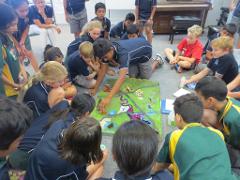
Step into the heart of the Swan Coastal Plain for an immersive field excursion where students become real-world scientists and geographers. Through hands-on investigations, they’ll explore the vibrant wetlands and winding rivers—ecosystems rich in biodiversity yet shaped by human impact.
Whether your focus is Biology or Geography, students will dive into a variety of field tasks that reveal the intricate balance between living organisms and their physical environment. From tracking energy flow and food webs to examining ecosystem services and sustainability challenges, this experience brings classroom concepts to life.
Best of all, the excursion is flexible! Choose from a range of optional activities to tailor the day to your curriculum needs and student interests.
Please read through all the below options carefully as you will be asked to select your optional activities on your booking enquiry form.
Core activities (both activities are automatically included in your day):
Site survey
The site survey gives students on overview of the ecosystem being studied and is an excellent introduction to the site. Students record observations on a range of ecosystem components such as plant life, animal activity, water appearance, condition of banks, drains and pipes, and human activity and impact. Each component is scored according to students’ perception and an initial indication of the quality of the environment is obtained. This is used to focus students thinking on the questions they will seek to answer from the following field work.
Water quality testing
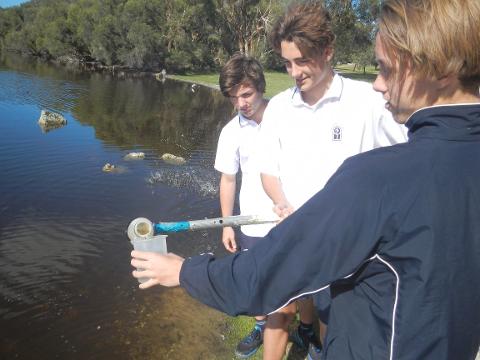
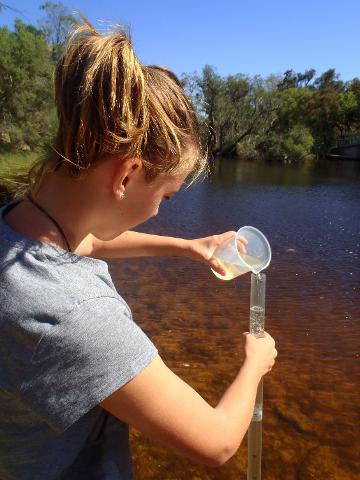
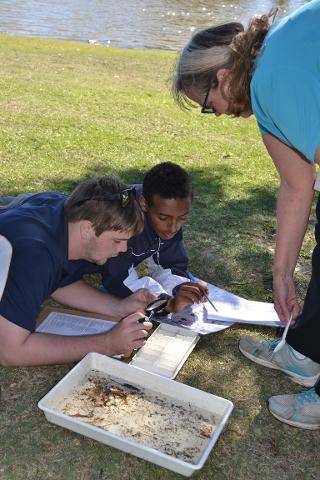
In small groups students will collect water samples according to standard protocols and conduct water quality tests using field equipment. Parameters measured include: temperature, pH, Electrical Conductivity (salinity), Turbidity (clarity) and the nutrients Phosphate and Nitrate. Students’ results will be compared to Australian guidelines to assess the health of the waterbody.
Optional activities (select 90 minutes' worth of activities from):
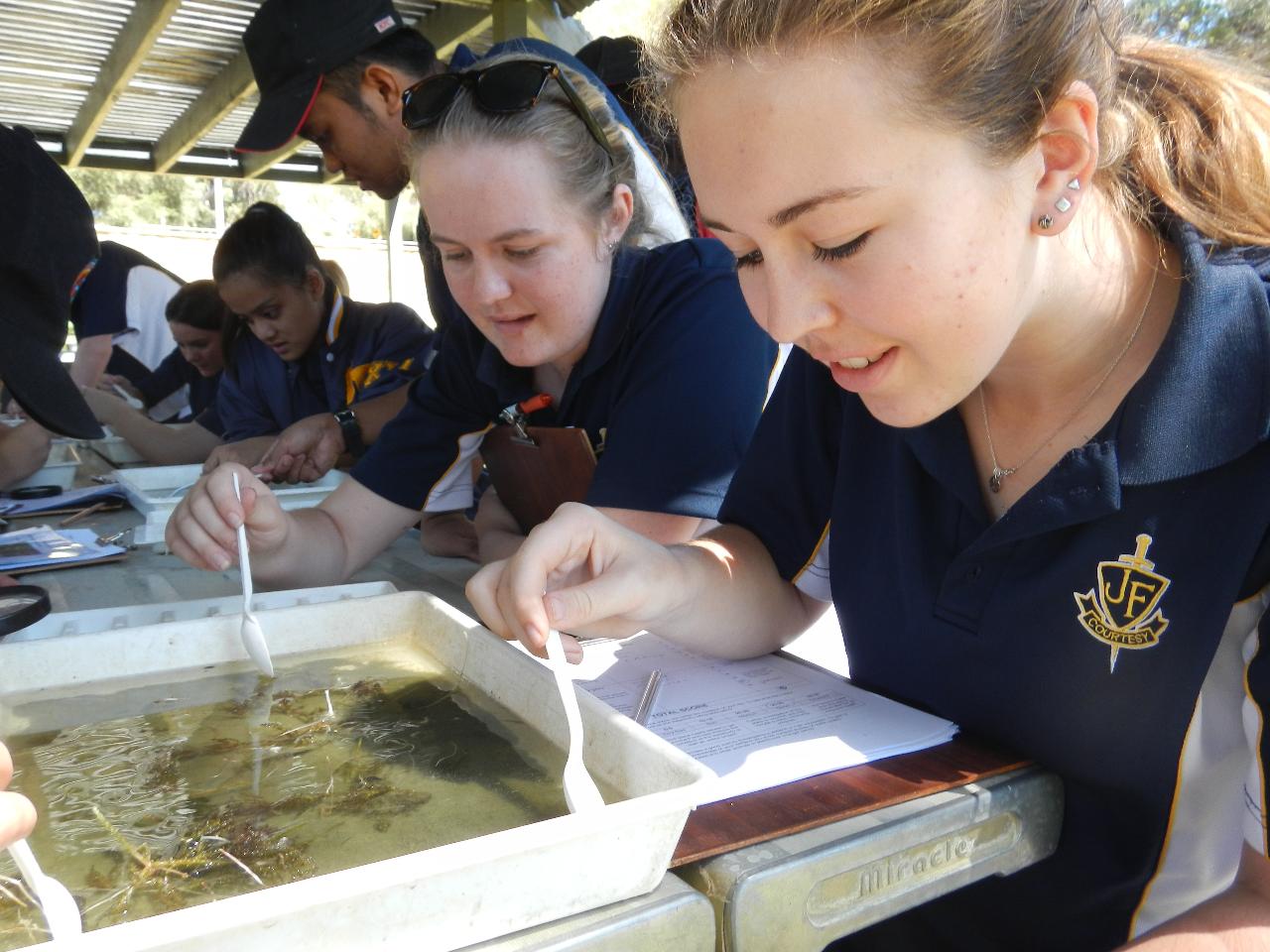
1. Macroinvertebrate sampling (60 mins)
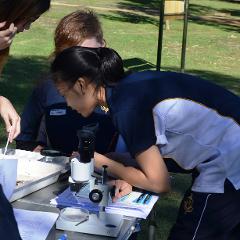
Wetland invertebrates can give an indication of the health of the ecosystem through their species diversity and abundance and through the presence / absence of sensitive species. Students sort and analyze a sample to classify and record the organisms. This can lead to a discussion of feeding relationships and the food web of the wetland.
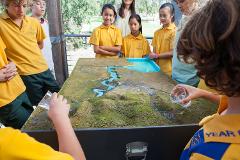
A topographic map or aerial photograph of the site is used for students to label features on the ground. They then complete a field sketch of the site with notes on the various components (such as land use) to summarize information about the site.
3. Bird identification (30 mins)
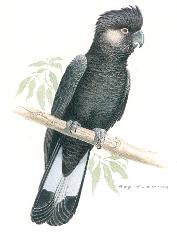
Our rivers and wetlands are home to a very diverse array of bird species of all shapes and sizes. Students use binoculars to observe and identify what birds are present at your site; they then consider their role in the aquatic ecosystem.
4. Human Impacts (30 mins)
Human impacts can be positive or negative. Students observe what impacts humans have had on this site and consider their consequences for the ecosystem. We look at how positive impacts can be enhanced to ensure the site is cared for into the future.
5. Management Strategies (30 mins)
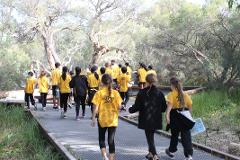
A walk around the site to look at the various management strategies that are in place and a discussion to consider their effectiveness. Students also consider what else may be needed in future for the sustainability of this ecosystem.
Venues:
- Point Walter Reserve, Bicton
- Canning River Eco Education Centre, Wilson
- Neil Hawkins Park, Yellagonga Regional Park, Joondalup
COST: $510 (inc GST), max 30 students
Please note:
- Maximum students per group is 30. Multiple groups can be accommodated.
- Our booking officer will get back to you via email to confirm your excursion within 7 working days.
Click here for more information on planning your visit:
If you have any questions regarding this activity, please email us at [email protected]. You need to submit and online enquiry form for any program, no bookings will be taken via email or phone.